


News
Culatra 2030 on television

The island of Culatra, in Faro, wants to be self-sustaining. The energy transition process should be completed by 2030.

The island of Culatra, in Faro, wants to be self-sustaining. It was one of 26 European islands selected for a renewable energy pilot project.

Culatra Island in the Algarve is preparing to become self-sustaining. The project includes renewable energies and water and waste treatment.

The island of Culatra wants to be self-sustainable by 2030. ‘The Awakening of the Island’ is a major report by Duarte Baltazar, with images by João and editing by João Junça and Duarte Baltazar.

This is how Culatra Island is described in the report broadcast on 20 January on RTP's Portugal em Direto programme. The process of energy transition and the progressive self-sustainability of the island is one of the most important goals of the Culatra2030 Initiative, benefiting everyone without exception - residents, companies and the organisations that fight daily to defend the interests of the communities and protect the island's resources.
Will we know how to use it to ensure a more cohesive, innovative and sustainable country?
Culatra 2030 on the radio


The island of Culatra could become energy sustainable within 10 years. Culatra is one of six European islands chosen to receive support from the European Secretariat for Clean Energy.

A group of researchers from the University of the Algarve is developing a project to produce clean energy for the island of Culatra.

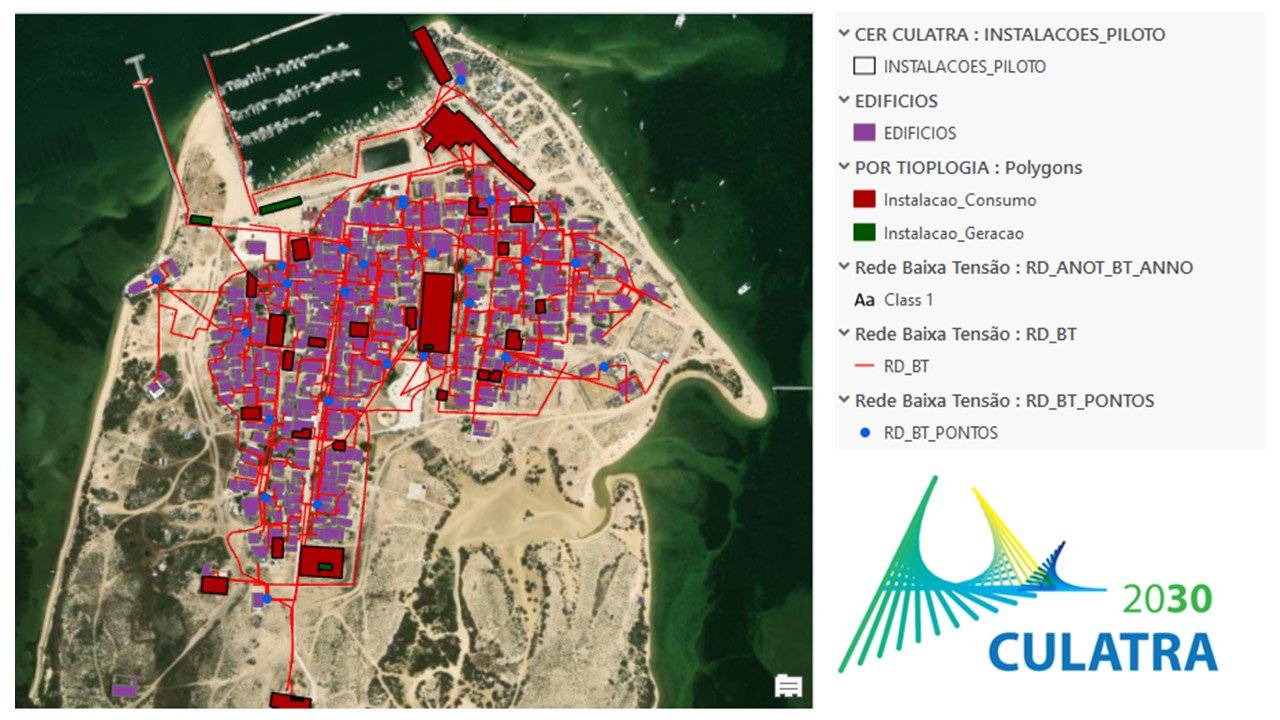


The ‘Culatra 2030 - Sustainable Energy Community’ project, coordinated by the University of the Algarve (UAlg) in partnership with the Culatra Island Residents' Association, has been selected by the Clean Energy for EU Islands Secretariat to create a pilot renewable energy community.

Culatra Island, in Faro, will be one of the European islands with a pilot community for renewable energies under a project coordinated by the University of the Algarve and selected by the European Commission, the Algarve academy announced today.

Culatra is one of six European islands chosen to receive support from the European Secretariat for Clean Energy on Islands. The project is called ‘Culatra 2030 - Sustainable Energy Community’ and will be coordinated by the University of the Algarve.

The island of Culatra, in Faro, wants to be self-sustaining. It was one of 26 European islands selected for a renewable energy pilot project.

Titles, valid for 30 years and transferable from parents to children or other descendants of that Algarve fishing community, were handed over by the Ministers for the Environment and the Sea during a visit as part of the Intervention and Requalification Plan for that fishing centre.

Armed with this agenda, Culatra will improve the development of the project over the coming months. Culatra's clean energy transition agenda was published on Wednesday 20th November.

The fishing centre wants an energy grid based on renewable sources. An island that is totally sustainable in terms of energy, with a grid sustained only by renewable and clean sources by 2030.

The Algarve Regional Coordination and Development Commission (CCDR) met with promoters of the Lagos Business Area and the Culatra 2030 project.

Delivery of the solar vessel and connection to the grid of the Culatra solar panel park, both projects funded by Mar 2020, are scheduled for 19 July. However, bureaucratic issues could jeopardise the progress of the Renewable Energy Community.

Cláudia Sequeira, André Pacheco, Manuela Moreira da Silva and Ewan Rochard are the UAlg researchers involved in the project.
SMILO, Sustainable Islands, has launched an international competition for innovative proposals for sustainability on islands. CIMA, in collaboration with the Culatra Island Residents‘ Association, proposed the development of a non-intrusive desalination prototype, i.e. desalinating seawater to produce non-potable fresh water using surplus photovoltaic production,’ explains Cláudia Sequeira.SMILO, Sustainable Islands, has launched an international competition for innovative proposals for sustainability on islands. CIMA, in collaboration with the Culatra Island Residents‘ Association, proposed the development of a non-intrusive desalination prototype, i.e. desalinating seawater to produce non-potable fresh water using surplus photovoltaic production,’ explains Cláudia Sequeira.
The committee is made up of 17 organisations, from public bodies to companies and associations.
The acquisition of electric vehicles to provide home support in Culatra, the remodelling of the kitchen of the social refectory of the Parish of São Pedro, the construction of a monument to D. João III and the installation of table tennis equipment were the four winning proposals of the Participatory Budget 2020 of the Faro union of parishes.
Culatra 2030 press
Culatra 2030 press releases
In the beginning of 2019 the University of the Algarve (UAlg), in collaboration with the Culatra Island Residents' Association (Associação de Moradores da Ilha da Culatra, AMIC), submitted a proposal to the Secretariat of the Clear Energy for EU Islands, European Commission. Resulting from this application, the Culatra Island was selected as one of the six pilot islands that receives technical support to define an Agenda for Energy Transition.

The ‘Culatra 2030 - Sustainable Energy Community’ initiative is a demonstration project on the island of Culatra in the Algarve, Portugal, covering various aspects of the ecological transition. It implements the ambitions of the Smart Specialisation Strategy (S3) in the Algarve, using a new Entrepreneurial Discovery Process (EDP) to create a real laboratory for the ecological transition, focusing on the specific needs of the island and capitalising on its assets.